

Building a solid foundation for a green homeland - the common aspiration of Philippine cement factories
In the Philippines, industries that require jet pumps include:
1. Oil and Gas Industry: Jet pumps are used for lifting crude oil and natural gas from wells.
2. Water Treatment Industry: They are used in water treatment plants to transfer water between different stages of the treatment process.
3. Mining Industry: Jet pumps are used in mining operations to remove water from mines and to transport slurry.
4. Construction Industry: They are used in construction sites for dewatering and drainage purposes.
5. Agriculture Industry: Jet pumps are used in irrigation systems to pump water from one place to another.
6. Food and Beverage Industry: They are used in food processing plants for transferring liquids and slurries.
7. Chemical Industry: Jet pumps are used in chemical plants for mixing and transferring chemicals.
8. Pharmaceutical Industry: They are used in pharmaceutical manufacturing for transferring liquids and slurries.
9. Power Generation Industry: Jet pumps are used in power plants for cooling system circulation and condensate extraction.
10. Marine Industry: They are used in ships and boats for ballast water management and bilge water removal.

Maintaining a jet pump involves several key steps to ensure its efficient operation and longevity. Here's a guide on how to maintain a jet pump:
1. **Regular Inspection**: Conduct regular visual inspections of the jet pump to check for any signs of wear, corrosion, or damage. Pay particular attention to the impeller, suction nozzle, and diffuser.
2. **Clean the Pump**: Keep the pump clean by regularly removing any debris, dirt, or sediment that may accumulate around the inlet and outlet areas. This helps prevent clogging and ensures smooth operation.
3. **Lubrication**: Ensure that all moving parts are properly lubricated according to the manufacturer's specifications. Use the recommended lubricant and replace it at intervals suggested by the manufacturer.
4. **Check Seals and Gaskets**: Inspect seals, gaskets, and O-rings for signs of wear or leakage. Replace any damaged components to prevent fluid loss and maintain pump efficiency.
5. **Monitor Performance**: Regularly monitor the pump's performance, including flow rate, pressure, and temperature. Any deviation from normal operating parameters should be investigated and addressed promptly.
6. **Alignment**: Ensure that the pump is correctly aligned with the drive mechanism (if applicable). Misalignment can lead to premature wear and reduced efficiency.
7. **Replace Worn Parts**: Over time, parts such as the impeller, bearings, and seals will wear out. Replace these parts as needed to keep the pump operating smoothly.
8. **Preventative Maintenance**: Follow a preventative maintenance schedule as recommended by the manufacturer. This may include tasks such as replacing filters, cleaning the pump housing, and checking electrical connections.
9. **Storage**: If the pump is not in use for an extended period, store it in a dry, cool place away from direct sunlight and extreme temperatures. Consider draining any residual fluid from the pump to prevent corrosion.
By following these maintenance practices, you can help ensure that your jet pump remains in good working condition and continues to operate efficiently for years to come.
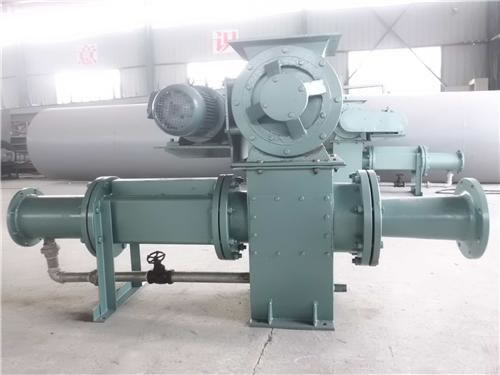
The jet delivery pump has solved several issues for cement plants, including:
1. **Material Handling Efficiency**: By utilizing high-velocity air or gas streams to convey materials, it significantly reduces the need for mechanical conveyors and elevators, thereby improving overall material handling efficiency. This is particularly beneficial in areas where space is limited or where traditional conveyor systems are impractical.
2. **Dust Control**: The enclosed nature of pneumatic conveying systems helps minimize dust emissions during the transfer process, leading to a cleaner working environment and potentially reducing the need for extensive dust collection systems.
3. **Versatility in Material Transfer**: Jet delivery pumps can handle a wide range of materials, including powders, granules, and even some slurries, making them versatile tools for various stages of cement production such as raw material intake, intermediate storage, and finished product dispatch.
4. **Reduced Maintenance Requirements**: With fewer moving parts compared to mechanical conveyors, jet delivery pumps generally require less maintenance, resulting in lower operational costs over time.
5. **Energy Consumption Optimization**: While pneumatic systems do consume energy to generate the necessary airflow, advancements in technology have led to more efficient designs that optimize air usage, reducing overall energy consumption.
6. **Flexibility in System Design**: Pneumatic conveying allows for greater flexibility in system layout since pipes can be routed around obstacles more easily than bulky mechanical equipment, facilitating easier plant expansions or modifications.
7. **Improved Product Quality Control**: By minimizing the risk of contamination and ensuring consistent mixing during transfer, jet delivery pumps contribute to maintaining high standards of cement quality throughout the production process.
In summary, the adoption of jet delivery pumps addresses key challenges faced by cement manufacturers related to efficiency, environmental impact, versatility, maintenance, energy use, system design flexibility, and product quality assurance.
Overall, the contribution of pneumatic conveying pumps to environmental protection cannot be overlooked. Their efficient material transport method significantly reduces dust pollution during transportation, providing strong support for building a green and environmentally friendly industrial environment. In the future, we look forward to pneumatic conveying pump technology playing an even greater role in the field of environmental protection, promoting the harmonious coexistence of industrial production and environmental protection.