

Vietnamese pneumatic conveying pump customer's new hope ZHONGYUAN helps the cement powder industry reduce costs and increase efficiency
好的,下面是越南的工业发展情况的英语内容:
Vietnam's Industrial Development Situation
Over the past few decades, Vietnam has experienced significant industrial growth. The country has transformed from a predominantly agrarian economy to one with a more diversified industrial base. This development can be attributed to several factors, including government policies promoting industrialization and modernization, foreign direct investment (FDI), and a young and dynamic workforce.
The manufacturing sector is the backbone of Vietnam's industrial development. It accounts for a large portion of the country's GDP and is a major contributor to export revenues. Key sub-sectors within manufacturing include electronics, textiles and garments, footwear, and automotive components. Vietnam has become an attractive destination for multinational corporations looking to set up production facilities due to its competitive labor costs, strategic location, and favorable business environment.
In addition to manufacturing, other industries such as construction, mining, and energy have also seen substantial growth. The construction industry has boomed due to increased demand for infrastructure projects, residential buildings, and commercial properties. The mining sector has expanded as Vietnam seeks to exploit its rich natural resources, including coal, oil, and minerals. The energy sector has witnessed significant investments in both renewable and non-renewable sources to meet the growing electricity demand.
Foreign direct investment has played a crucial role in driving Vietnam's industrial development. The government has implemented various measures to attract FDI, including establishing special economic zones (SEZs) and offering incentives such as tax breaks and land leases. These initiatives have been successful in attracting investors from countries such as South Korea, Japan, Singapore, and China. As a result, many multinational companies have established manufacturing plants and supply chains in Vietnam, contributing to job creation and technology transfer.
Despite the impressive progress, there are challenges that Vietnam's industrial sector needs to address. One of the main issues is the need for further diversification of the economy beyond low-cost manufacturing. While this model has been successful in generating employment and economic growth, it also makes the country vulnerable to fluctuations in global demand and competition from other low-cost producers. To mitigate these risks, Vietnam aims to move up the value chain by investing in research and development (R\u0026D), innovation, and skills training.
Another challenge is environmental sustainability. Rapid industrialization has led to pollution and resource depletion in some areas. The government recognizes the importance of balancing economic growth with environmental protection and has implemented policies aimed at promoting cleaner production methods and sustainable practices. However, achieving this balance will require continued efforts from both the public and private sectors.
In conclusion, Vietnam's industrial development has been remarkable over the past few decades. Through strategic planning, foreign investment attraction, and a focus on manufacturing, the country has successfully transformed its economy. However, ongoing efforts are necessary to address challenges related to economic diversification and environmental sustainability. With continued commitment and collaboration between all stakeholders, Vietnam can continue its journey towards becoming a more advanced and resilient industrial nation.

Certainly! Here’s a brief introduction to the Vietnamese cement powder industry in English:
---
### Introduction to the Vietnamese Cement Powder Industry
The cement powder industry in Vietnam has experienced significant growth and development over recent years, driven by robust domestic demand and increasing export opportunities. As the country's economy continues to expand, particularly in construction, infrastructure, and real estate sectors, the need for high-quality cement products has surged, positioning Vietnam as an important player in the global cement market.
#### Key Players and Production Capacity
Vietnam is home to several major cement producers, including Vicem (Vietnam Cement Corporation), Holcim Vietnam, and Ximang Group, among others. These companies have invested heavily in modern production facilities and technology to enhance their manufacturing capabilities. The combined efforts of these key players have significantly boosted the overall production capacity of the industry.
As of recent data, Vietnam's cement production capacity stands at approximately 100 million tons per year. This substantial output not only caters to the domestic market but also allows for considerable exports to neighboring countries.
#### Market Demand and Growth
The primary driver of the Vietnamese cement powder industry is the strong domestic demand resulting from extensive infrastructure projects, urbanization, and housing development initiatives. The government's push for economic modernization and regional connectivity through projects like the North-South Expressway and various urban metro systems further propels this demand.
In addition to the thriving domestic market, Vietnam has been expanding its footprint in international markets. With competitive pricing and improving product quality, Vietnamese cement manufacturers are increasingly exporting their products to neighboring countries such as Cambodia, Laos, Myanmar, and even more distant markets like the Middle East and Africa.
#### Challenges and Opportunities
Despite the positive outlook, the industry faces several challenges. Environmental concerns related to carbon emissions and pollution are pressing issues that require attention. Moreover, the reliance on imported raw materials can impact cost efficiency and supply chain stability.
However, there are numerous opportunities for growth. The Vietnamese government's commitment to infrastructure development, coupled with favorable trade agreements and investment policies, creates a conducive environment for further expansion. Additionally, advancements in sustainable production technologies offer potential pathways for reducing environmental impact while maintaining productivity.
#### Conclusion
The Vietnamese cement powder industry stands at a dynamic crossroads, characterized by robust demand, strategic investments, and growing export potential. While challenges persist, they also present opportunities for innovation and sustainability. With continued focus on modernization and environmental stewardship, the industry is poised for sustained growth and increased global competitiveness.
---
This overview should provide a comprehensive yet concise understanding of the Vietnamese cement powder industry. If you need more detailed information or specific aspects covered, please let me know!
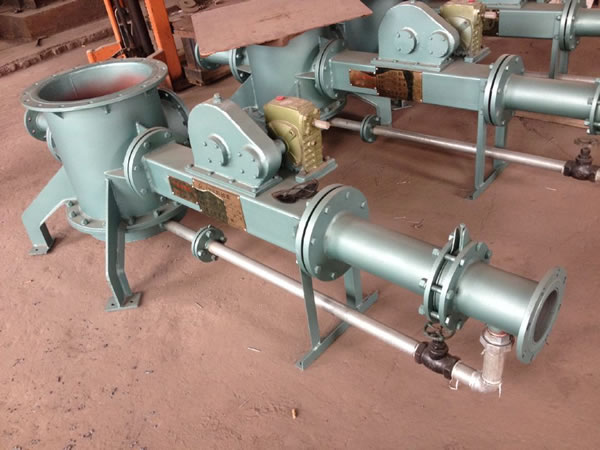
A pneumatic conveying pump for cement powder materials is a type of equipment used to transfer dry, granular solids such as cement powder through a pipeline using air pressure. This system operates by creating a high-velocity air stream that entrains the material and propels it along the conveying line from a source point to a destination point. The key components of such a pump typically include an air compressor to generate the necessary air pressure, a feed hopper where the cement powder is introduced into the system, a conveying pipeline, and a receiving unit at the endpoint. This method of transport is favored in industrial settings due to its efficiency in handling large volumes of material over long distances, as well as its ability to operate without mechanical moving parts in the conveying line, reducing wear and maintenance requirements.
In conclusion, the market for pneumatic conveying pumps in Vietnam's cement powder industry is full of opportunities and challenges. For companies specializing in these pumps, it is crucial to seize the growing market demand while also preparing for innovations in technology and management. The government, on its part, should create a favorable environment for business development and remain sensitive and responsive to changes in the policy landscape. Only through such concerted efforts can we promote the sustained development and prosperity of environmentally friendly cement powder transportation technologies and pneumatic conveying pumps in Vietnam. Let us work diligently, uphold the spirit of craftsmanship, and together shape a national brand. Hand in hand with our peers, ZHONGYUAN extends its best wishes to our clients in Vietnam: may all your concerns be met with peace and joy; may all your endeavors proceed smoothly and successfully! We wish your company widespread acclaim from customers and prosperous expansion into new markets!