

Brunei Power Plant - Pneumatic Lift Pump Environmental Sustainability
Dust pollution in Brunei is primarily observed in several scenarios. One of the main sources is construction activities, where excavation, demolition, and building processes generate significant amounts of dust. Additionally, unpaved roads and highways contribute to dust emissions, especially during dry seasons when there's less moisture to suppress the particles. Industrial operations, particularly those involving mining and quarrying, also release considerable dust into the atmosphere. Agricultural practices such as land clearing and burning crop residues can further exacerbate the issue. Furthermore, natural factors like sandstorms and volcanic activity occasionally introduce dust into the environment. Lastly, inadequate waste management and disposal practices can lead to dust generation from open dumping sites and improper handling of materials.

好的,下面是关于气力提升泵的适用条件和用途的英文翻译:
---
### Applicable Conditions for Pneumatic Lift Pumps
1. **Material Compatibility**: Suitable for handling dry, powdery, granular, and flaky materials with good fluidity. Materials that are too sticky or moist may not be suitable as they can clog the system.
2. **Particle Size**: Effective for particles ranging from fine powders to larger granules, typically up to 5mm in diameter. Larger particles may require specialized equipment.
3. **Density**: Can handle materials with a wide range of densities, but the specific capacity and efficiency may vary depending on the material's density.
4. **Temperature**: Generally suitable for materials at ambient temperature. Special considerations are required for extremely high-temperature materials.
5. **Environmental Conditions**: Operates efficiently in various environmental conditions, including dusty and humid environments. However, extreme conditions may necessitate additional protective measures.
6. **Power Source**: Requires a reliable source of compressed air. The quality and pressure of the air supply can significantly impact performance.
7. **Maintenance**: Regular maintenance is crucial to ensure optimal performance and longevity. This includes cleaning filters, checking seals, and inspecting wear and tear components.
### Applications of Pneumatic Lift Pumps
1. **Material Handling**: Widely used in industries such as chemical, pharmaceutical, food, and plastics for transferring powders, granules, and other dry materials.
2. **Conveyor Systems**: Often integrated into pneumatic conveying systems to move materials over short to medium distances without the need for mechanical conveyors.
3. **Batching and Mixing**: Used in processes requiring precise batching and mixing of dry ingredients, ensuring uniform distribution and minimal segregation.
4. **Packaging**: Employed in packaging lines to fill bags, bins, or containers with dry materials, providing consistent and controlled filling rates.
5. **Waste Management**: Utilized in waste handling and recycling processes to transport materials to collection points or processing units.
6. **Foundries and Metallurgy**: Used in foundries to handle sand, flux, and other materials involved in metal casting processes.
7. **Construction**: Applied in the construction industry for the pneumatic lifting of cement, plaster, and other building materials to higher floors or sections of the site.
8. **Agriculture**: Used in grain elevators and silos for the efficient transfer of grains and seeds from storage facilities to processing units or transportation vehicles.
9. **Mining**: Employed in mining operations to transport coal, ore, and other minerals from extraction points to processing plants or storage areas.
10. **Food Industry**: Used for handling food products like sugar, flour, spices, and other dry ingredients, ensuring hygiene and reducing contamination risks.
---
希望这些信息对你有所帮助。
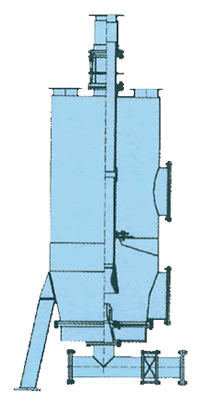
As a manufacturer of pneumatic booster pumps, addressing issues in power plants requires a comprehensive approach. Here are some key areas and solutions that should be considered:
1. **Efficiency Improvement**:
- **Solution**: Conduct energy audits to identify inefficiencies in the current system. Upgrading to more efficient models or incorporating variable speed drives can significantly enhance performance.
2. **Maintenance and Durability**:
- **Solution**: Implement a regular maintenance schedule to ensure all components are functioning correctly. Use high-quality materials and parts to increase the lifespan of the equipment.
3. **System Reliability**:
- **Solution**: Design redundancy into the system to ensure continuous operation. This could include backup pumps or alternative power sources.
4. **Noise Reduction**:
- **Solution**: Install noise dampening features and ensure proper installation to minimize vibrations and operational noise.
5. **Environmental Impact**:
- **Solution**: Ensure the pumps comply with environmental regulations by minimizing emissions and using eco-friendly materials where possible.
6. **Cost Management**:
- **Solution**: Analyze the total cost of ownership, including initial investment, operational costs, and maintenance expenses. Opt for solutions that offer the best long-term value.
7. **Compatibility and Integration**:
- **Solution**: Ensure that the new or upgraded systems are fully compatible with existing infrastructure and control systems. This may involve custom engineering solutions.
8. **Training and Support**:
- **Solution**: Provide comprehensive training for plant operators and maintenance staff. Offer ongoing technical support to address any issues that arise promptly.
By focusing on these areas, pneumatic booster pump manufacturers can provide effective solutions to common problems faced by power plants, enhancing overall performance and reliability.
The application of pneumatic lifting pumps in the field of environmental protection is a complex process that requires consideration of multiple factors such as material characteristics conveying conditions pump operational efficiency and environmental impact Therefore we need to continuously improve the performance and application level of pneumatic lifting pumps through technological innovation and research and development to meet environmental protection needs At the same time we also need to strengthen the management and maintenance of pneumatic lifting pumps to ensure their normal operation and service life